Exterior Cleaning Company | Professional Powerwashing Maintenance|San Ramon
Moss is not a stain. It is a living organism with a root structure holding water against your roof. Scraping it or blasting it off leaves the roots behind and damages the surface. We kill it properly, at the root.
Homeowners tend to call everything growing on a roof "moss." They are usually looking at three distinct organisms, and the distinction genuinely matters because they do different kinds of damage.
Algae is the black streaking that runs down a roof, most often a hardy blue-green algae that feeds on the limestone filler in shingles. It spreads by airborne spores, which is why it jumps from house to house down a street. It is primarily cosmetic early on, but it holds moisture against the roof.
Moss is the thick green cushion that builds up in the seams and along the lower courses. It has a root-like structure that works into gaps, holds water like a sponge, and physically lifts shingles and tiles over time. This is the one that causes structural damage.
Lichen is the flat, crusty, often pale grey-green patch that looks painted on. It is the most tenacious of the three, bonding tightly to the surface, and it is the reason a roof sometimes needs more than one treatment to come fully clean.
This is where the honest answer differs from both extremes you will hear. Moss is not harmless, and it is also not an automatic reason to replace a roof.
It holds water where water should never sit. Moss acts like a sponge on a surface engineered to shed water immediately. Prolonged moisture against shingles, tile, and the decking beneath accelerates deterioration in a way that occasional rain never would.
It lifts and separates. As moss thickens in the seams it physically wedges shingles and tiles apart, creating gaps. Once water can get under a roofing course rather than over it, you have a genuine problem rather than an appearance one.
It blocks drainage. Moss sloughing off a roof packs into valleys, gutters, and downspouts. That causes overflow, which damages fascia and siding and sends water against the foundation.
It can cost you insurance. This has become a real issue across California. Carriers are inspecting properties, and a moss-covered roof gets flagged as both a maintenance failure and a fire-debris concern. Homeowners receive non-renewal notices for exactly this.
But the roof underneath is usually fine. Here is the part that matters most: in the large majority of cases the roofing material beneath heavy moss is structurally sound. Owners are quoted for full replacement on roofs that needed cleaning. Clean it properly, early enough, and you keep the roof.
The honest framing is that moss is a problem that gets expensive if ignored and is inexpensive to solve if addressed. The damage is cumulative, not sudden.
Roofs get the attention, but the same organisms colonize most of a property, and the shaded, damp spots are where they take hold first.
North-facing walls. Stucco and siding that never see direct sun grow a green or grey film that owners often mistake for faded paint. Soft washing lifts it and the original color returns.
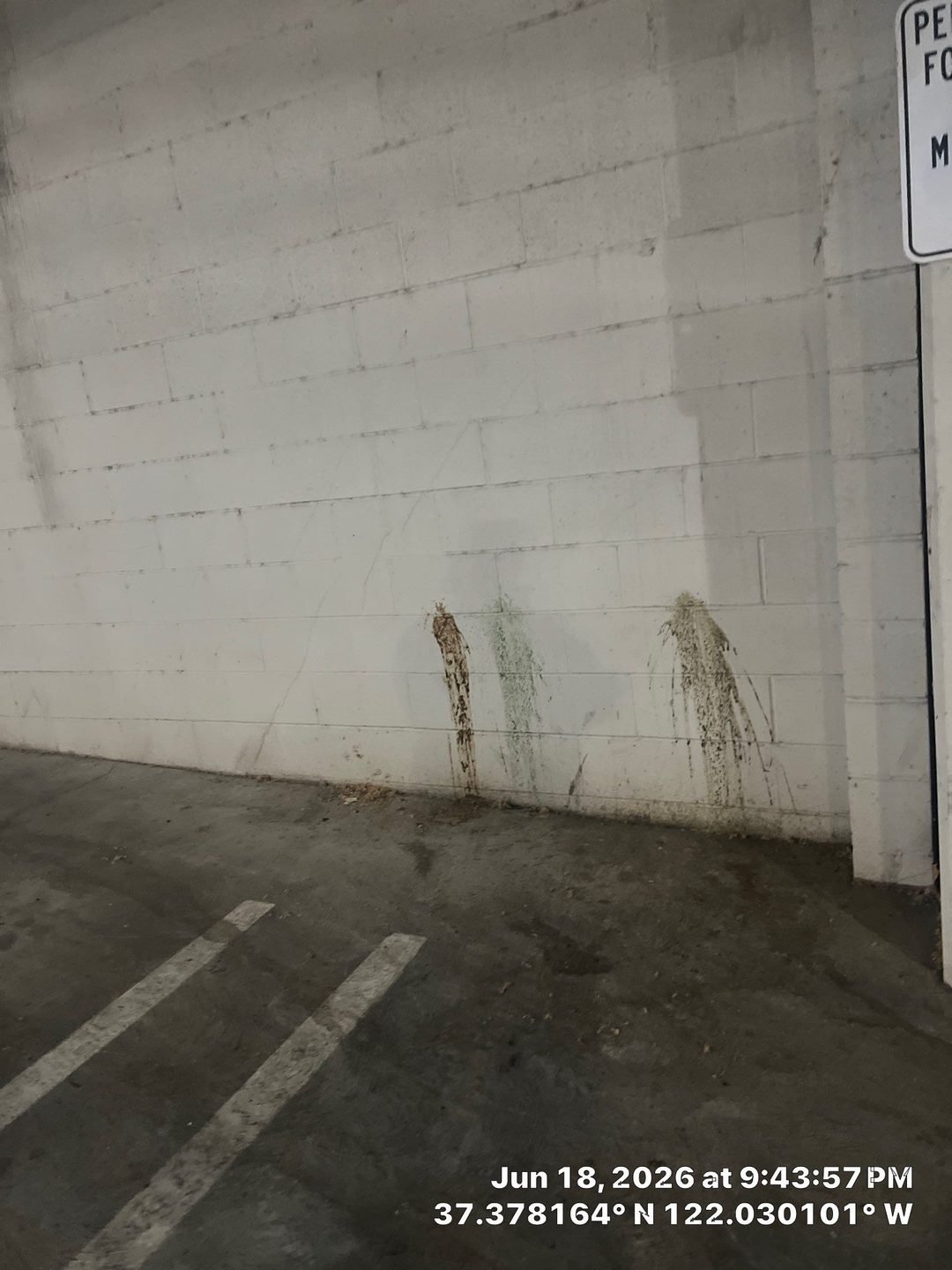
Concrete, pavers, and steps. This is a safety issue as much as an appearance one. Algae on a shaded walkway or a flight of steps is genuinely slippery when wet, and on a sloped East Bay lot that matters a great deal.
Decks and fencing. Wood holds moisture, and the shaded faces grow moss and mildew readily. On a deck it creates the slip hazard that prompts most spring calls.
Gutters and roof valleys. Debris packed in these spots stays permanently damp and becomes a nursery for growth that then spreads back across the roof.
Retaining walls and planters. Constantly damp from the soil behind them, these grow moss faster than almost any other hardscape and are frequently overlooked entirely.
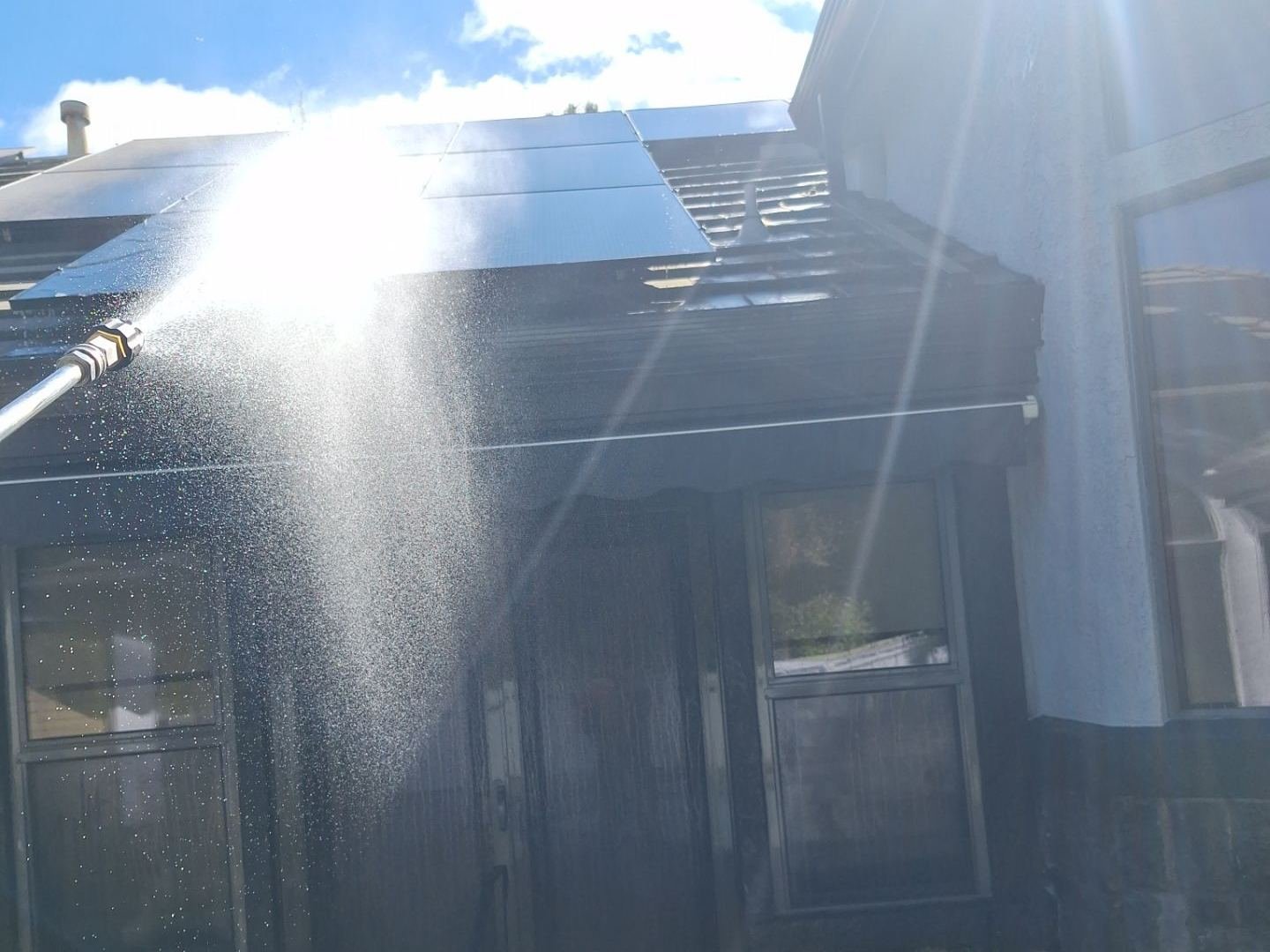
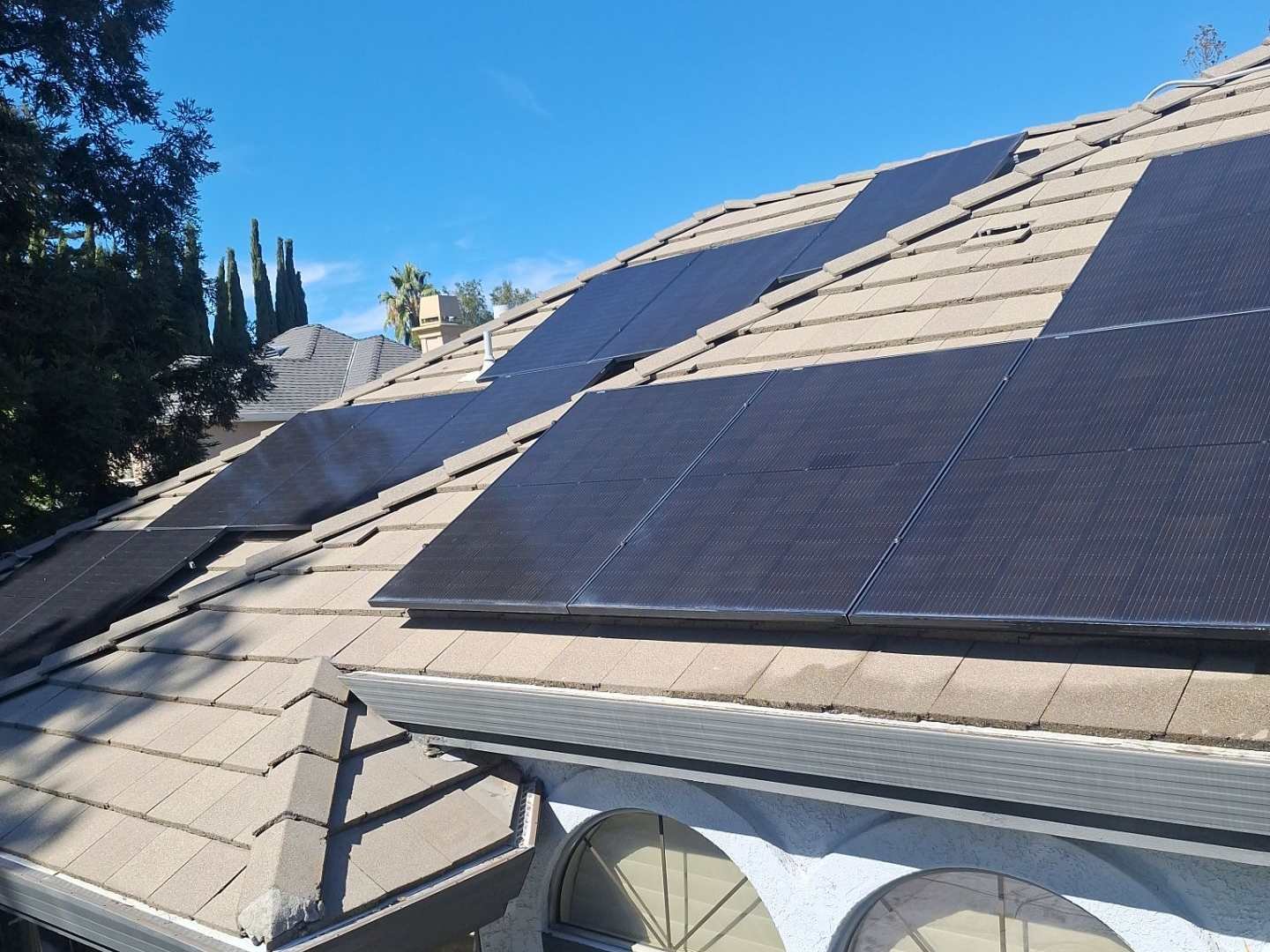
Solar panels. Growth and organic film on panels measurably reduces output. Panels need a gentle, pure-water approach rather than anything aggressive.
Get a Fast QuoteThe Mediterranean cycle that makes the Bay Area pleasant to live in is close to ideal for moss, algae, and lichen. Wet winters keep surfaces damp for weeks at a time, and mild temperatures mean the growing season barely pauses. Then the long dry summer arrives and the growth goes dormant rather than dying, which is why a roof that looks better in August is green again by the first proper rain.
That dormancy fools a lot of homeowners into thinking a summer rinse solved the problem. It did not. The organism rehydrates within hours of the first autumn rain and picks up where it left off.
Layer in the mature tree canopy across Alamo, Danville, Moraga, Lafayette, and Orinda, the shaded north-facing slopes common throughout the hills, and the constant leaf and needle drop that holds moisture against roofs and gutters, and you get properties that grow moss and lichen year after year regardless of how new they are.
The practical conclusion is that for most East Bay homes this is a maintenance item, not a one-time fix. Treating a roof properly buys years, and keeping it on a schedule means it never reaches the stage where it does damage.
What East Bay homeowners ask us most about growth on roofs, walls, and hardscapes.
Where moss and lichen do the most damage, and where method matters most.
North-facing walls grow the same film, and it lifts off cleanly.
Clear the drainage so debris does not become the next nursery.
Shaded concrete and steps, where growth becomes a slip hazard.
The slippery deck that prompts most spring calls.
Why method is the whole argument when the problem is alive.
Moss is cheap to solve and expensive to ignore. We will tell you honestly whether your roof needs treatment, a follow-up visit, or nothing at all.