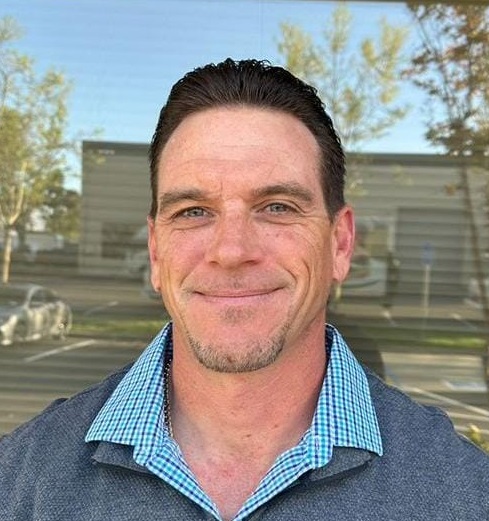
I’m Brandon Cody, owner of Professional Powerwashing and Maintenance and a dedicated entrepreneur focused on delivering top-quality service and building long-lasting relationships. With years of experience in creating efficient systems, my team and I specialize in helping businesses maintain clean, professional properties that reflect their commitment to excellence.
I’m always interested in connecting with like-minded professionals and businesses looking for reliable, high-standard service. Let’s connect!
Roof maintenance checklist is your essential guide to preserving the longevity, safety, and performance of your residential or commercial roof. Whether you’re a homeowner looking to protect your investment or a commercial property manager maintaining a large structure, following a detailed plan helps prevent common issues like roof leaks, water damage, and premature aging. This checklist goes beyond the basics, combining proven methods such as seasonal inspection and debris removal with strategic steps many overlook, including checking roof coating, inspecting attic ventilation, and addressing fastener aging.
This comprehensive guide from PPWPM covers every aspect from detecting missing shingles and moss growth to properly cleaning gutters, inspecting downspouts, and ensuring safe drainage. Follow it each season or after major storms to protect your roof from corrosion, water damage, and costly repairs.
1. Seasonal Inspection Basics
Inspect your roof every spring and fall, and always after significant weather events. Begin with a ground-level visual check using binoculars to avoid unnecessary climbing. Look for these visible warning signs:
- Shingles & Metal Panels: Curling, cracking, or granule loss on shingles; rust, dents, or loose seams on metal roofs.
- Missing Shingles: Gaps can lead to leaks and underlying mold issues.
- Debris Accumulation: Leaves and branches trap moisture and accelerate decay, especially in valleys and roof edges.
Don’t skip tucked-away areas, debris under overhangs or around chimneys is a common oversight that can shorten roof lifespan.
2. Cleaning Gutters and Downspouts
Clogged gutters are a leading cause of water backing up into roofs and foundations. Ensure these steps are part of your routine:
- Use a scoop or gloved hands to remove debris.
- Flush gutters and downspouts with a garden hose to verify water flows freely.
- Check hangers and brackets — secure any loose attachments and replace rusted components.
- Inspect for water pooling near the foundation, indicating drainage issues.
3. Trim Trees Around the Roof
Trim back any overhanging limbs at least 6 to 8 feet from your roofline. Trees contribute to debris buildup and shade areas that foster moss growth. They can also scratch shingles, damage gutters, or block sunlight and airflow.
4. Examine Flashing, Coating, and Fasteners
Flashing failures are a top cause of leaks. Check all flashing near vents, chimneys, and transitions for cracking or separation. Inspect fasteners for rust or loosening — often neglected but critical to structural integrity. Evaluate roof coatings, especially on flat or metal roofs.
- Flashing: Ensure caulk is intact and there are no visible gaps or corrosion.
- Roof Coating: Watch for chalking, bubbling, or peeling. If visible, it’s time to recoat.
- Fasteners: Replace rusted or popped nails, and reseal vulnerable joints.
5. Prevent Moss, Algae, and Fungus
Early signs of moss, algae, or black streaks should be addressed with eco-safe methods. Use a soft-bristle brush for spot removal, not a pressure washer. Apply moss-killing agents or install copper or zinc strips near the ridge to prevent future growth. Improving sunlight exposure with proper trimming also helps.
6. Check for Roof Leaks and Moisture Damage
Go inside your attic or upper floor and examine ceilings, rafters, and insulation for signs of moisture:
- Discolored wood or damp insulation.
- Stains near roof penetrations such as skylights and vents.
- Mildew odor or visible mold patches.
Don’t overlook attic ventilation. Poor airflow causes condensation buildup that deteriorates both insulation and decking. Ensure intake and exhaust vents are clear and functional.
7. Evaluate Roof Aging and Make Repair Plans
Older roofs (15+ years) are more vulnerable to severe damage. Identify recurring issues like brittle shingles or coating loss, and plan repairs before they become emergencies. Check your warranty and keep all receipts and notes from previous repairs for reference.
- Repair minor damage such as isolated cracks or exposed fasteners promptly.
- Plan for a full replacement before major degradation impacts interior structures.
8. Reapply Roof Coating (If Needed)
If your flat or metal roof uses a protective coating, reapplication every 5 to 7 years can extend its life significantly. A professional-grade reflective coating reduces heat absorption, protects from UV damage, and seals small gaps.
9. Final Rinse and Surface Cleanup
Once all maintenance is done, rinse off remaining dust, loose granules, and leaves using a garden hose from ridge to eaves. This keeps your gutters clear and gives a final chance to spot anything missed. For deeper cleaning or hard-to-reach areas, consider PPWPM’s pressure washing services ideal for both residential and commercial roofs.
10. Document Work and Plan Your Next Inspection
Take date-stamped photos of all areas you inspect and clean — from flashing and fasteners to moss removal and trimmed tree lines. Keep a digital or physical log of what was done, including any repairs or contractor services.
Set calendar alerts for the next seasonal check, and schedule a professional inspection every 3 to 5 years to identify hidden risks early. These records also serve as valuable documentation if you ever need to file an insurance claim due to storm damage or leaks.
For heavy buildup, algae, or post-storm restoration, trust PPWPM specialists in residential and commercial pressure washing services. Our safe, effective roof cleaning ensures optimal results without damaging your shingles or coatings.
Conclusion
Maintaining your roof doesn’t require costly repairs, it requires consistent attention. By following this proactive roof maintenance checklist, you’re extending your roof’s life, preventing water damage, and protecting your investment. From trimming trees and checking flashing to documenting work and using professional services like PPWPM for deep cleaning, this guide is built to help DIYers and property owners alike care for their roofs confidently and thoroughly.
EXCELLENTTrustindex verifies that the original source of the review is Google. Great job of power washing my driveway! Super impressed with the quality of the work and great customer service provided. Would hire again for future work at my house without hesitation!Posted onTrustindex verifies that the original source of the review is Google. Anthony came by to power wash our driveway. It was very dirty and had not been power washed for a long time. The service was quick and efficient, Anthony was very friendly and explained the process very clearly. The results are amazing! In less than 30 minutes our drive way looks spotless. I will highly recommend their services. Thank you!Posted onTrustindex verifies that the original source of the review is Google. Great work cleaning our atrium, fast and professional. Highly recommend!Posted onTrustindex verifies that the original source of the review is Google. The crew that cleaned my roof then flushed my gutters did an exceptional job. The team leader kept me fully informed with each stage of the process and provided pre and post job photos. I highly recommend this team of professionals.Posted onTrustindex verifies that the original source of the review is Google. Quality work and very communicative!Posted onTrustindex verifies that the original source of the review is Google. Very satisfied with service and results from start to end. I was able to get a quote fast and schedule an appointment seamlessly. They are punctual and truly care about their quality of work. I recommend this company to family, friends, and clients who are looking to have their property cleaned.Posted onTrustindex verifies that the original source of the review is Google. Very good job on our driveway. Very professional and courteous personnel. I recommend them.Posted onTrustindex verifies that the original source of the review is Google. Thoroughly cleaned, and without leaving a mess or any residue! Well done. There is a smell of bleach afterwards, which doesn’t bother me, but it’s worth mentioning.Posted onTrustindex verifies that the original source of the review is Google. After the heavy storms we had in December my backyard looked a hot mess - between all the mud build up and tree debris, I was over it! Anthony to the rescue! He powerwashed everything making my backyard presentable again. He was very friendly, and even made sure my dog was ok when he noticed the machine was scaring her. Little things like that stand out! I highly recommend Anthony and Professional Powerwashing Maintenance Services!Verified by TrustindexTrustindex verified badge is the Universal Symbol of Trust. Only the greatest companies can get the verified badge who has a review score above 4.5, based on customer reviews over the past 12 months. Read more