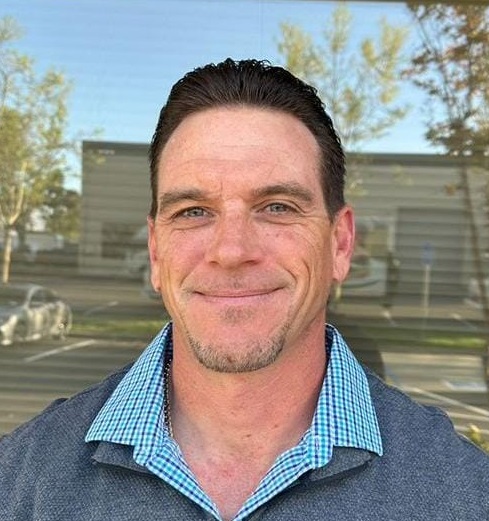
I’m Brandon Cody, owner of Professional Powerwashing and Maintenance and a dedicated entrepreneur focused on delivering top-quality service and building long-lasting relationships. With years of experience in creating efficient systems, my team and I specialize in helping businesses maintain clean, professional properties that reflect their commitment to excellence.
I’m always interested in connecting with like-minded professionals and businesses looking for reliable, high-standard service. Let’s connect!
Commercial power washing standards Pleasanton property owners can rely on are about more than blasting dirt off concrete. In Pleasanton, California, exterior cleaning has to balance appearance, safety, and environmental rules around wastewater permits, cone zones, and public walkway access. PPWPM delivers fully compliant commercial power washing using eco-friendly detergents, modern equipment, and trained, character-driven technicians, backed by full insurance, over 500 five-star reviews, and our $5,000 Satisfaction Guarantee.
What Are Commercial Power Washing Standards in Pleasanton?
Commercial power washing standards in Pleasanton are the set of expectations, regulations, and Best Management Practices (BMPs) that govern how sidewalks, plazas, storefronts, and parking areas are cleaned. These standards tie together three core responsibilities for property managers and vendors:
- Protecting the environment by following wastewater permits and stormwater rules
- Maintaining safe, clearly marked cone zones around active cleaning areas
- Keeping reasonable public walkway access open while work is performed
Any contractor working on Pleasanton commercial sites should be able to explain how they manage wastewater capture, pedestrian safety, and surface protection while still delivering a deep clean.
Why These Standards Matter For Pleasanton Properties
Pleasanton’s downtown corridors, Stoneridge-area retail centers, and neighborhood shopping strips see constant traffic. Summer dust, winter rain, and irrigation overspray combine with foot traffic to create slippery algae patches, food stains, and general grime on sidewalks and entries. If power washing is handled casually, wash water can run straight into storm drains, and customers might find main doors blocked by hoses or unmarked wet surfaces.
Consistently following commercial power washing standards reduces slip and fall risks, protects Pleasanton’s creeks and stormwater system, and preserves curb appeal for tenants and visitors. It also simplifies life for property managers who need predictable service instead of emergency cleanup after complaints.
Wastewater Permits, Runoff Control, And Environmental Protection
Wastewater is one of the biggest compliance issues in commercial power washing. When sidewalks or plazas are washed, the water carries detergents, oils, gum residue, and fine sediment. In Pleasanton, that water cannot simply flow into storm drains that connect to local waterways.
Commercial properties should expect their vendors to follow clear wastewater procedures, including:
- Reviewing any applicable wastewater permits or regional stormwater rules before work
- Mapping drains and low points across sidewalks, drive aisles, and outdoor seating areas
- Using berms, mats, or temporary barriers to keep wash water out of storm inlets
- Capturing and reclaiming wastewater when the project or permit requires it
- Choosing eco-friendly detergents designed to break down quickly with minimal environmental impact
At PPWPM, runoff control is built into jobs like sidewalk and walkway cleaning and parking garage cleaning, so you are not guessing whether your site is compliant.
Cone Zones, Signage, And Safe Public Walkway Access
Any time commercial power washing is active, the area becomes a temporary work zone. Without clear cone zones and signage, pedestrians may step on wet concrete, cross hoses, or walk under active spray. Pleasanton properties are expected to protect the public while still allowing people to move through or around the site.
Best practices for cone zones and walkway access include:
- Creating a defined perimeter using high visibility cones and caution signs before equipment starts
- Working in smaller sections so part of the walkway remains open while another section is cleaned
- Setting temporary detours around outdoor dining, storefronts, or office entries
- Keeping cones in place until surfaces are rinsed, checked, and no longer slippery
- Routing hoses and equipment in ways that avoid trip hazards across main paths
Our crews treat Pleasanton sidewalks and plazas as shared community spaces, not just job sites. That means planning cone zones and foot traffic around real world patterns, including lunch rushes, evening crowds, and weekend markets.
Balancing Cleaning Work With Business And Public Access
Downtown Pleasanton and nearby centers cannot simply shut down for exterior cleaning. That is why commercial power washing standards Pleasanton properties should use always factor in timing and access. The goal is to restore clean, safe surfaces without interrupting business more than necessary.
PPWPM works with managers to:
- Schedule heavy washing during early morning, evening, or off days when foot traffic is quiet
- Prioritize main entrances and outdoor seating zones before opening hours
- Coordinate around restaurant service windows and office start times
- Provide advance notice so tenants can inform staff and customers
For multi tenant and multi building portfolios, our property management services help standardize this planning across several Pleasanton sites.
Our Compliant Commercial Power Washing Process
To make sure every Pleasanton project is safe and repeatable, PPWPM uses a defined workflow on commercial sites:
- On Site Assessment: Walk the property to map drains, public walkways, entrances, and sensitive areas such as landscaping, outdoor dining, or decorative facades.
- Wastewater And Access Plan: Design how wastewater will be contained or reclaimed, and where cone zones and detours will be placed.
- Eco Detergent Pre Treatment: Apply biodegradable cleaners to loosen oil, algae, and staining so less pressure is needed.
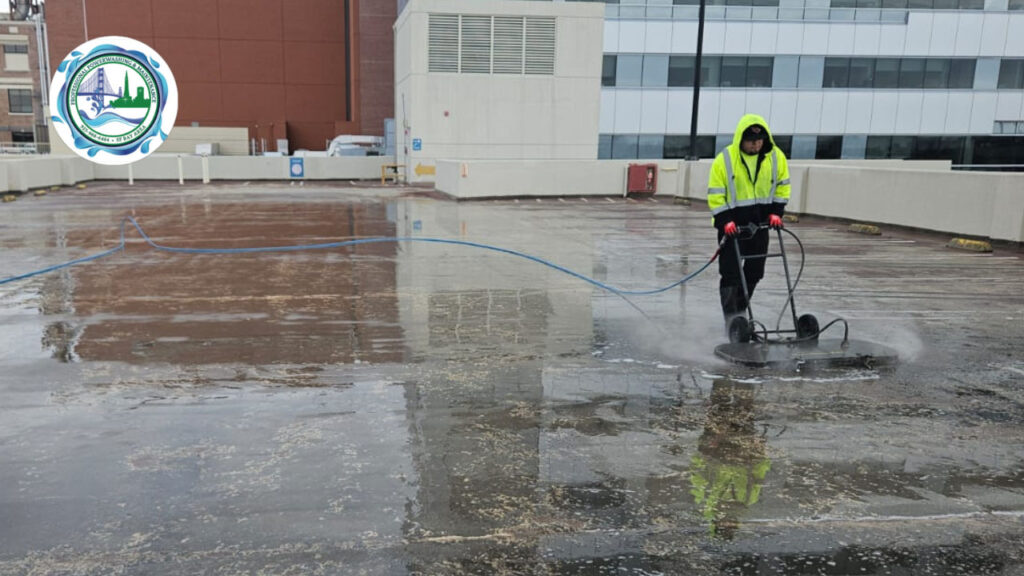
- Controlled Power Washing: Use calibrated pressure and, when appropriate, hot water to deep clean surfaces without damaging concrete, pavers, or coatings.
- Rinse, Capture, And Dry: Rinse surfaces, manage wastewater per permit or guideline, and keep cones in place until walkways are safe to reopen.
- Final Walkthrough: Review key areas with the property manager or designated contact, and document the work with photos if requested.
Trust, Safety, And Documentation For Pleasanton Property Managers
Power washing contractors work directly where your customers and tenants walk every day. That means trust and documentation are as important as cleaning ability. When you hire PPWPM in Pleasanton, you are working with a vendor that provides:
- Full insurance coverage including liability and workers compensation
- $5,000 Satisfaction Guarantee on workmanship
- Over 500 five star reviews from residential and commercial clients
- Eco-friendly cleaners that protect landscaping, outdoor seating, and storefronts
- Modern equipment that shortens job time and improves results
- Trained, character driven staff who respect your site rules and customers
For properties that also require storefront care, our storefront and fast food exterior cleaning and window cleaning services can be integrated into one maintenance plan.
FAQ
1. Why are wastewater permits important for commercial power washing in Pleasanton?
Wastewater permits and stormwater rules prevent contaminated wash water from entering storm drains and local creeks, protecting the environment and reducing the risk of fines for property owners.
2. What is a cone zone in power washing?
A cone zone is a clearly marked work area using cones and caution signs that warns pedestrians about wet surfaces, hoses, and active cleaning so they can move safely around the site.
3. Can commercial power washing be done without blocking public walkway access?
Yes. By working in sections, setting detours, and scheduling off peak, contractors can keep at least part of the sidewalk or entry path open while still performing thorough cleaning.
4. Do you always need to reclaim wastewater?
The need for reclaim depends on the surface, contaminants, and rules in place, but at minimum contractors must prevent visible runoff from flowing directly into storm drains.
5. How often should Pleasanton commercial properties be power washed?
Most sites benefit from one or two deep cleanings per year, with more frequent service for restaurant patios, downtown storefronts, and high traffic sidewalks.
Keep Your Pleasanton Property Clean, Safe, And Welcoming
When commercial power washing follows Pleasanton’s standards for wastewater permits, cone zones, and public walkway access, you get safer surfaces, better first impressions, and fewer compliance headaches. PPWPM is ready to help you build a smart maintenance plan that fits your operating hours and budget. Visit our sidewalk and walkway cleaning page or contact us to schedule a site assessment for your Pleasanton property.
EXCELLENTTrustindex verifies that the original source of the review is Google. Great job of power washing my driveway! Super impressed with the quality of the work and great customer service provided. Would hire again for future work at my house without hesitation!Posted onTrustindex verifies that the original source of the review is Google. Anthony came by to power wash our driveway. It was very dirty and had not been power washed for a long time. The service was quick and efficient, Anthony was very friendly and explained the process very clearly. The results are amazing! In less than 30 minutes our drive way looks spotless. I will highly recommend their services. Thank you!Posted onTrustindex verifies that the original source of the review is Google. Great work cleaning our atrium, fast and professional. Highly recommend!Posted onTrustindex verifies that the original source of the review is Google. The crew that cleaned my roof then flushed my gutters did an exceptional job. The team leader kept me fully informed with each stage of the process and provided pre and post job photos. I highly recommend this team of professionals.Posted onTrustindex verifies that the original source of the review is Google. Quality work and very communicative!Posted onTrustindex verifies that the original source of the review is Google. Very satisfied with service and results from start to end. I was able to get a quote fast and schedule an appointment seamlessly. They are punctual and truly care about their quality of work. I recommend this company to family, friends, and clients who are looking to have their property cleaned.Posted onTrustindex verifies that the original source of the review is Google. Very good job on our driveway. Very professional and courteous personnel. I recommend them.Posted onTrustindex verifies that the original source of the review is Google. Thoroughly cleaned, and without leaving a mess or any residue! Well done. There is a smell of bleach afterwards, which doesn’t bother me, but it’s worth mentioning.Posted onTrustindex verifies that the original source of the review is Google. After the heavy storms we had in December my backyard looked a hot mess - between all the mud build up and tree debris, I was over it! Anthony to the rescue! He powerwashed everything making my backyard presentable again. He was very friendly, and even made sure my dog was ok when he noticed the machine was scaring her. Little things like that stand out! I highly recommend Anthony and Professional Powerwashing Maintenance Services!Verified by TrustindexTrustindex verified badge is the Universal Symbol of Trust. Only the greatest companies can get the verified badge who has a review score above 4.5, based on customer reviews over the past 12 months. Read more